Walk into any casino and you’ll notice slot machines take up most of the floor space. These colorful, noisy games draw more players than poker tables, roulette wheels, or any other gambling option. Slot machines remain the most popular casino game worldwide because they combine simple gameplay, exciting psychology, and constant accessibility that appeals to both new and experienced players.
The reasons behind their popularity go deeper than just flashing lights and fun sounds. Your brain responds to slot machines in specific ways that keep you engaged. The games are designed using careful research about what makes people want to keep playing.
This article explores why slot machines dominate casinos around the world. You’ll learn about the psychological tricks built into every spin, how technology has changed these games, and why casinos invest so heavily in them. We’ll also look at how different cultures view slot machines and what the future holds for this type of gaming.
The Psychology Behind Slot Machines
Slot machines use specific mental triggers that keep players engaged and coming back for more. These games activate reward systems in your brain, create false hope through near-win scenarios, and overwhelm your senses with carefully designed sounds and visuals.
Random Rewards and Dopamine Release
Your brain releases dopamine when you win at a slot machine, creating feelings of pleasure and excitement. This chemical response happens even with small wins that don’t cover your original bet.
Slot machines use what psychologists call intermittent reinforcement. You can’t predict when the next win will happen, which makes the experience more compelling than predictable rewards. This same principle makes lottery tickets and other games of chance so engaging.
The unpredictable nature of wins keeps your dopamine system active between spins. Your brain stays alert and motivated because it expects a reward could come at any moment. This creates a cycle where you feel compelled to keep playing to experience that next dopamine hit.
Studies show that the anticipation of a potential win triggers more dopamine release than the win itself. This means the act of spinning creates its own reward in your brain, separate from any money you might receive.
Near Misses and Player Motivation
A near miss happens when the slot reels show two matching symbols with the third just one position away from a winning combination. Your brain processes these near misses similarly to actual wins, even though you lost money.
These almost-wins activate the same brain regions that light up during real victories. You feel like you were close to success, which motivates you to try again. The slot machine’s programming ensures these near misses happen more often than random chance would dictate.
Near misses create what researchers call the “illusion of control.” You might believe you’re getting better at the game or that a win is coming soon. This keeps you engaged longer than you would be if you simply lost every spin.
The psychological impact of near misses is so strong that some players report feeling more motivated after a near miss than after a small win.
Sensory Stimuli and Engagement
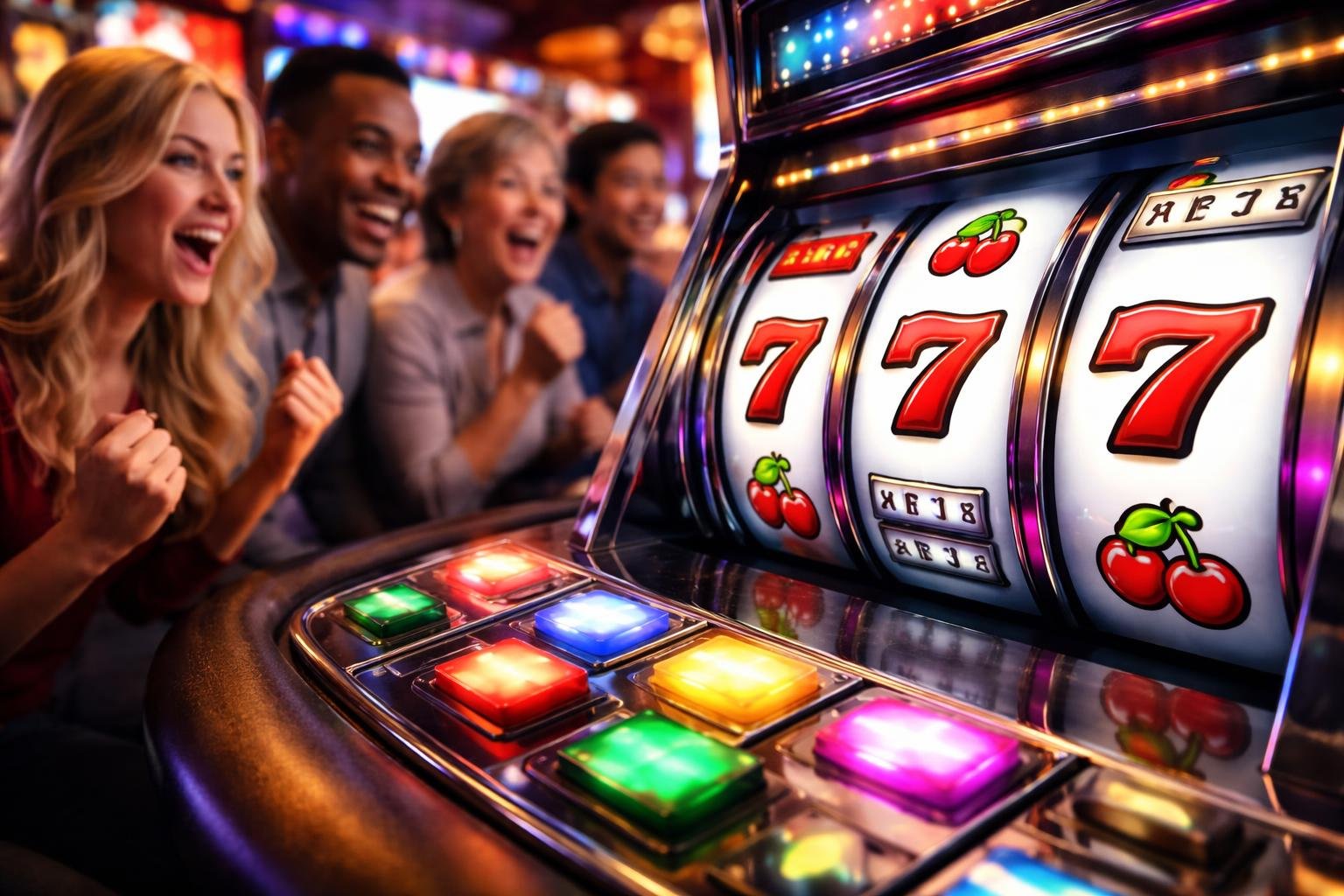
Slot machines bombard your senses with flashing lights, celebratory sounds, and vibrant colors. These elements work together to create an immersive experience that holds your attention.
Winning sounds play even when you win less money than you bet. The machine celebrates a $5 win on a $10 bet, making your brain register it as a success. This audio feedback reinforces the behavior of continued play.
The visual design uses bright colors and constant motion to keep your eyes focused on the screen. Modern slot machines eliminate external distractions and create what gamblers call the “machine zone,” where you lose track of time and surroundings.
Even the physical design plays a role. The spin button’s placement, the comfortable seating, and the ergonomic machine height all keep you playing longer. These sensory elements combine to create an environment optimized for extended play sessions.
How Slot Machine Design Drives Popularity
Slot machines capture attention through carefully designed visuals, sounds, and interfaces that make play easy and engaging. These design choices work together to create an experience that draws players in from the first spin.
Themes and Visual Appeal
Modern slot machines use bright colors, detailed graphics, and popular themes to grab your attention. You’ll find slots based on movies, TV shows, ancient civilizations, and fantasy worlds. Each theme comes with its own visual style that creates a complete experience.
The screens display animated symbols and backgrounds that move and change as you play. These visuals are designed to be eye-catching without being overwhelming. Casino floors use these colorful displays to stand out among rows of other machines.
Developers spend significant time creating themed worlds that feel immersive. A slot with an Egyptian theme might show pyramids, pharaohs, and golden artifacts. A movie-themed slot recreates scenes and characters you recognize. This attention to visual detail makes each machine feel unique and gives you reasons to try different games.
Sound Effects and Music
Sound plays a major role in making slots appealing. When you spin the reels, you hear specific sounds designed to build excitement. Wins trigger upbeat music and celebratory noises that create positive feelings.
The audio matches the theme of each machine. An adventure-themed slot might use dramatic orchestral music. A retro slot could feature classic casino sounds. These sounds work with the visuals to complete the experience.
Even small wins produce satisfying audio feedback. This creates a sense of success and encourages continued play. The sounds are carefully selected to be pleasant and rewarding without becoming annoying over time.
User-Friendly Interfaces
Slot machines are simple to use. You choose your bet amount and press a button to spin. The controls are clearly labeled and easy to reach. This simplicity means you can start playing immediately without reading instructions or learning complex rules.
The betting process is straightforward:
- Select your coin value
- Choose number of lines to play
- Press the spin button
Touch screens make interaction even easier on modern machines. You can tap options directly on the display. Information about payouts and bonuses appears in clear text that’s easy to read. The interface removes barriers between you and playing the game.
Accessibility and Availability of Slot Machines
Slot machines have become the most accessible form of gambling worldwide due to their presence in both physical and digital spaces. You can find these games at various price points, making them available to players with different budgets.
Online vs. Land-Based Slots
Online slots have changed how you can access these games. You no longer need to travel to a casino to play. You can access thousands of slot games from your phone, tablet, or computer at any time of day.
Physical casinos still offer slot machines, but they limit your playing time to their operating hours. Online platforms let you play whenever you want. You also get more game variety online than most land-based casinos can offer.
Online slots work the same way as physical machines. You pick your bet, spin the reels, and wait for the result. The main difference is convenience. You don’t need prior knowledge of complex rules to start playing either version.
Global Casino Distribution
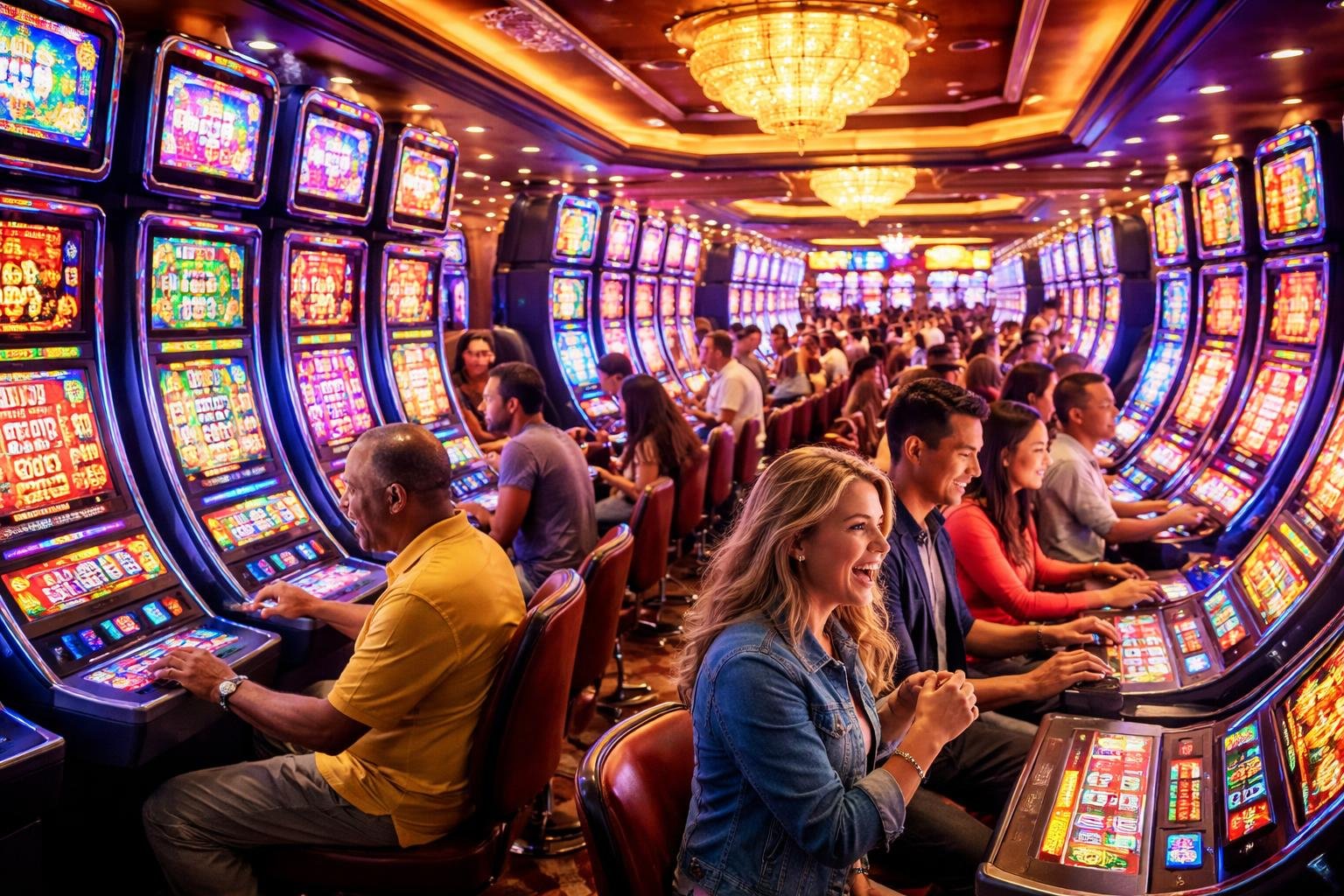
Slot machines appear in casinos across every continent. Australia has high concentrations of these games, where locals call them “pokies.” Las Vegas and Macau feature thousands of slot machines in their casino resorts.
European countries like the UK have slots in pubs and dedicated gambling venues. Asian markets have grown significantly, with new casinos opening regularly. Many cruise ships also feature slot machine floors for international travelers.
The widespread distribution means you can find familiar games in different countries. Some regions have specific regulations about slot machines, but the basic gameplay remains consistent worldwide.
Low Minimum Bets
You can play most slot machines for small amounts of money. Many games accept bets as low as $0.01 to $0.25 per spin. This low entry cost makes slots more accessible than table games that often require larger minimum bets.
Higher denomination machines exist for players who want to bet more per spin. You get to choose your comfort level. This flexibility attracts both casual players and serious gamblers.
Online slots often have even lower minimums than physical machines. Some platforms let you play demo versions for free before betting real money. The low cost per spin means your budget can last longer compared to other casino games.
Cultural Influence and Social Acceptance
Slot machines look and feel different around the world because cultures shape how people play them and whether society accepts them. Different regions prefer certain types of games, and attitudes about gambling vary widely from place to place.
Regional Preferences for Slot Machines
You’ll find that slot machine designs change based on where you are in the world. In Australia, players prefer machines called “pokies” that often feature higher bet limits and faster gameplay. These machines introduced many features that later became popular worldwide.
Asian countries favor slot machines with themes based on local mythology and lucky symbols. You might see games featuring dragons, golden fish, or red and gold color schemes because these elements connect with cultural beliefs about fortune and prosperity.
European players tend to choose machines with lower stakes and simpler designs. In Japan, pachinko parlors offer a unique variation that combines slot mechanics with pinball elements, creating an experience you won’t find anywhere else.
Common regional adaptations include:
- Local artwork and symbols
- Language-specific bonus features
- Betting limits that match local income levels
- Sound effects and music from the region
Societal Attitudes Toward Gambling
Your ability to play slot machines depends heavily on your country’s view of gambling. Some nations embrace gambling as entertainment, while others restrict or ban it completely due to religious or moral beliefs.
In countries like the United Kingdom and Australia, gambling is widely accepted and regulated. You can find slot machines in pubs, clubs, and dedicated casinos without social stigma.
Middle Eastern countries often prohibit gambling entirely based on Islamic law. You won’t find legal slot machines in these regions. Similarly, some Asian countries maintain strict restrictions even though underground gambling remains common.
The United States shows mixed attitudes. You can play slots freely in Las Vegas and Atlantic City, but many states still limit or ban them. Your access depends entirely on your state’s laws and cultural values.
Technological Innovations and Trends
Slot machines now leverage smartphone technology and cutting-edge visual design to reach players wherever they are and create more engaging experiences than traditional casino floors ever could.
Mobile Gaming and Apps
You can now access thousands of slot games directly from your smartphone or tablet. Mobile gaming has become the dominant platform for slot players, with dedicated casino apps offering the same features as desktop versions.
The shift to mobile happened because phones are always with you. You don’t need to travel to a casino or sit at a computer. Developers optimize games specifically for touchscreens, making spinning reels as simple as tapping your screen.
Most online casinos now design their slots with a mobile-first approach. This means games load faster on phones and use less data. You get the full gaming experience whether you’re on a bus, waiting in line, or relaxing at home.
App-based slots also send you notifications about new games and bonuses. Your gaming history syncs across devices, so you can start playing on your phone and continue on your tablet without losing progress.
Integration of Advanced Graphics
Modern slot machines use graphics technology similar to video games and animated films. You’ll see 3D characters, detailed backgrounds, and smooth animations that make each spin visually interesting.
High-definition displays show sharper symbols and more vivid colors than older machines. Some slots feature cinematic sequences that play when you hit certain combinations or trigger bonus rounds.
Game developers now employ professional artists and animators. The visual quality matches what you’d expect from console games, with dynamic lighting effects and particle systems that respond to your wins.
These graphics aren’t just decoration. They help tell stories and create themes that keep you engaged. Licensed slots based on movies or TV shows use actual footage and character designs from the original properties.
Marketing Strategies Used by Casinos
Casinos use targeted rewards programs and bonus offers to keep players engaged and encourage them to return. These strategies focus on creating value for players while building long-term relationships.
Loyalty Programs and Promotions
Casinos design loyalty programs to reward you for playing slot machines regularly. You earn points every time you play, which you can exchange for free meals, hotel stays, or cash back. These programs track your spending and playing habits to offer personalized rewards.
Most casino loyalty programs have different tiers. You start at a basic level and move up to silver, gold, or platinum status as you play more. Higher tiers give you better perks like faster point earning, exclusive events, and dedicated customer service.
Physical casinos often give you a player’s card that you insert into slot machines. Online casinos track your activity automatically through your account. Both types use this data to send you targeted promotions based on your favorite games and betting patterns.
The programs create a sense of progress and achievement. You feel motivated to keep playing to reach the next reward level or unlock special benefits.
Bonuses and Free Spins
Free spins and deposit bonuses are the main tools casinos use to attract new players. You might get 50 to 200 free spins when you sign up or make your first deposit. These offers let you try slot games without risking much of your own money.
Casinos also use no-deposit bonuses to draw you in. You get a small amount of bonus money just for creating an account. Welcome bonuses often match your first deposit by 100% or more, giving you extra funds to play with.
Regular players receive reload bonuses when they add more money to their accounts. You might also get birthday bonuses, weekend promotions, or special offers tied to new game releases. These ongoing promotions keep you engaged between visits and give you reasons to choose one casino over another.
Economic Impact on the Gaming Industry
Slot machines generate billions in revenue for casinos worldwide and create thousands of jobs in local communities. These gaming devices serve as financial engines that support both casino operations and broader economic development.
Revenue Generation for Casinos
Slot machines account for the majority of casino floor revenue in most gaming establishments. In the United States, these machines typically generate 65-80% of total casino gaming revenue. This makes them the most profitable gaming option for casino operators.
The global slot machine market continues to expand. Industry projections estimate the market will reach $18.2 billion by 2030. This growth stems from technological improvements like digital displays and interactive features that keep players engaged.
Casinos reinvest slot machine profits into facility upgrades, marketing, and expansion projects. This revenue also funds public services through gaming taxes. States like Nevada and New Jersey collect substantial tax revenue from slot operations that supports education, infrastructure, and social programs.
Employment and Local Economies
Slot machines create direct employment for casino workers including attendants, technicians, and security staff. Manufacturing facilities also employ workers to design and build new machines. These jobs provide steady income for communities near gaming centers.
Tourism driven by slot machine popularity supports additional jobs in hotels, restaurants, and entertainment venues. Casino destinations attract visitors who spend money beyond the gaming floor. This creates a multiplier effect where slot revenue supports broader economic activity.
Tribal gaming operations particularly benefit from slot machine revenue. These casinos provide employment opportunities in areas that often lack other major employers. The income helps fund tribal services, healthcare, and education programs for indigenous communities.